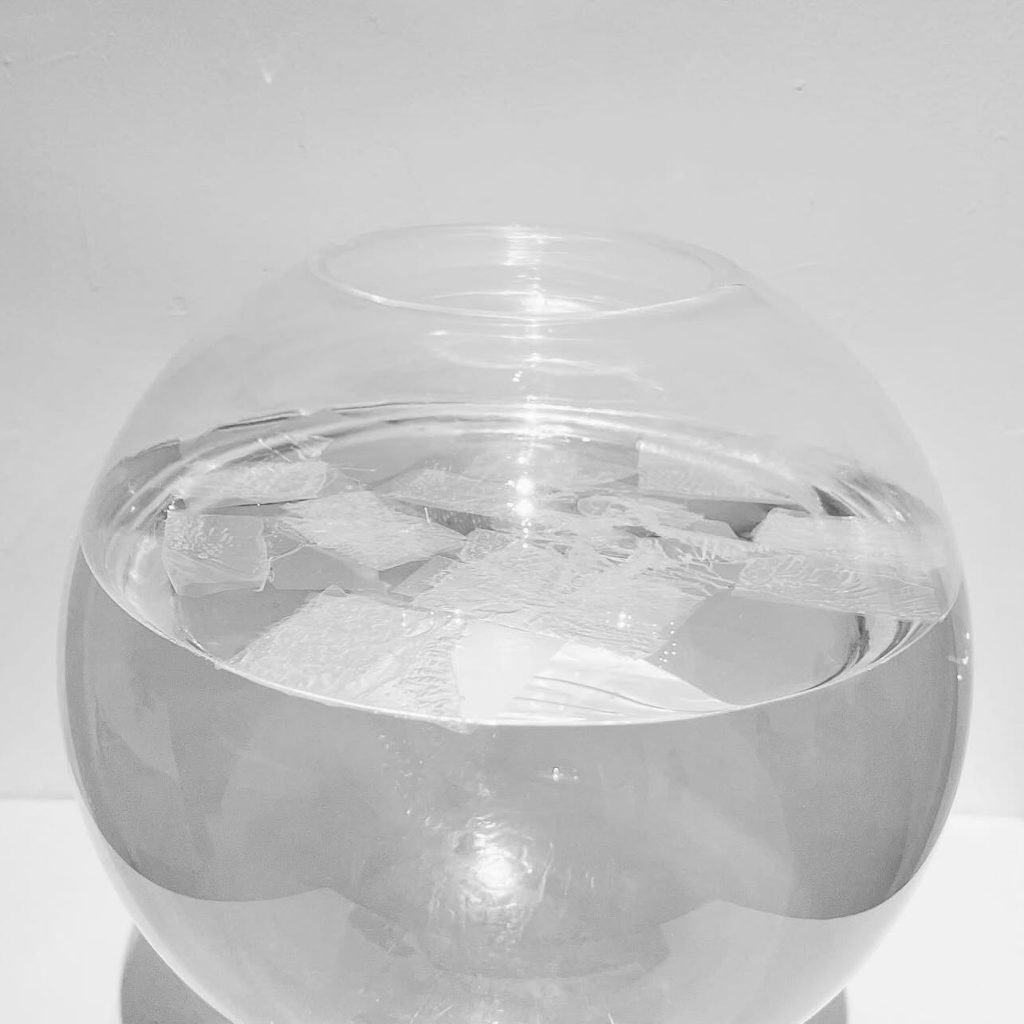
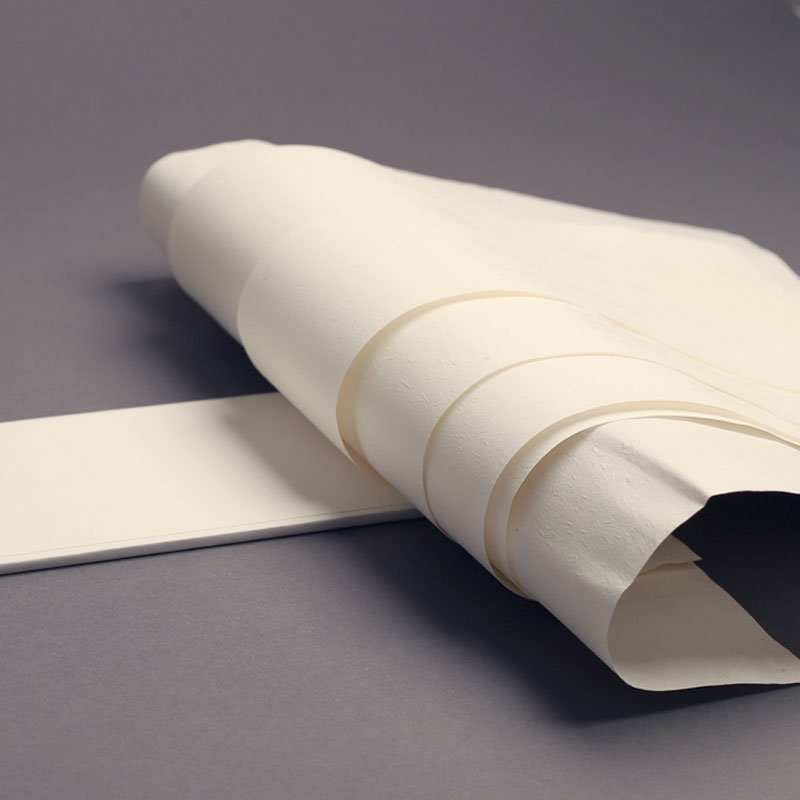
Book art comprises literature, design, visual art, craftsmanship and even architectural concepts, promising endless possibilities. An artwork could be valued through its skillfulness or concepts. Motivated by a query of how books or the act of reading can be presented through contemporary artmaking, The works in this section were created in a range of mediums, including paper, water, wood, textile, plastic, digital media, and more, subverting the normal appearance of books. This discrepancy is exactly what is worth presenting to the public through the world of book art.
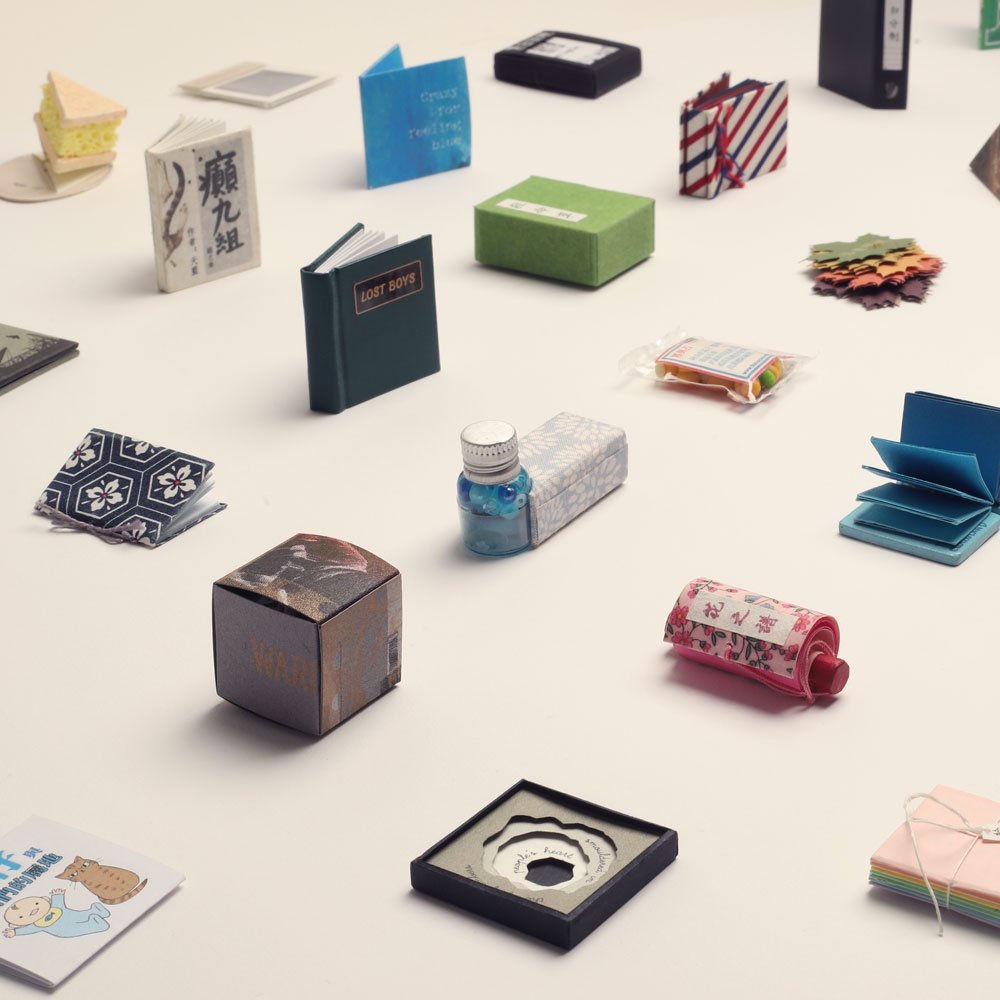
Miniature books have emerged from as early as the 16th century in Europe. An independent craft derived from doll houses, as an artist, Tiana Wong uses the concept of book art to put it into her works, which are both works of art and craftsmanship, as well as an experiment of continuous development.
The artist uses pop-up books as a platform to create interesting and interactive works with viewers.The designs of pop up books have advanced to integrate technological elements, offering endless fun and surprises. The first pop up book was created in the 13th century United Kingdom for demonstrations of academic operation or professional technology. It was not until after the Industrial Revolution in the mid-18th century that pop up books were expanded to children’s literature.
In addition to being good at creating in a certain medium, many artists also make books, either to record their creations or as one of the media, which are called artist books. The history of bookbinding began more than a thousand years ago. While traditional methods from the West and the East have developed into distinctive sets of features, cross-cultural exchanges and reforms have taken place in modern times. Artists seek for new directions regarding materials and aesthetics. Their works, therefore, while retaining the appearance of a book, become more intriguing and artistic.